
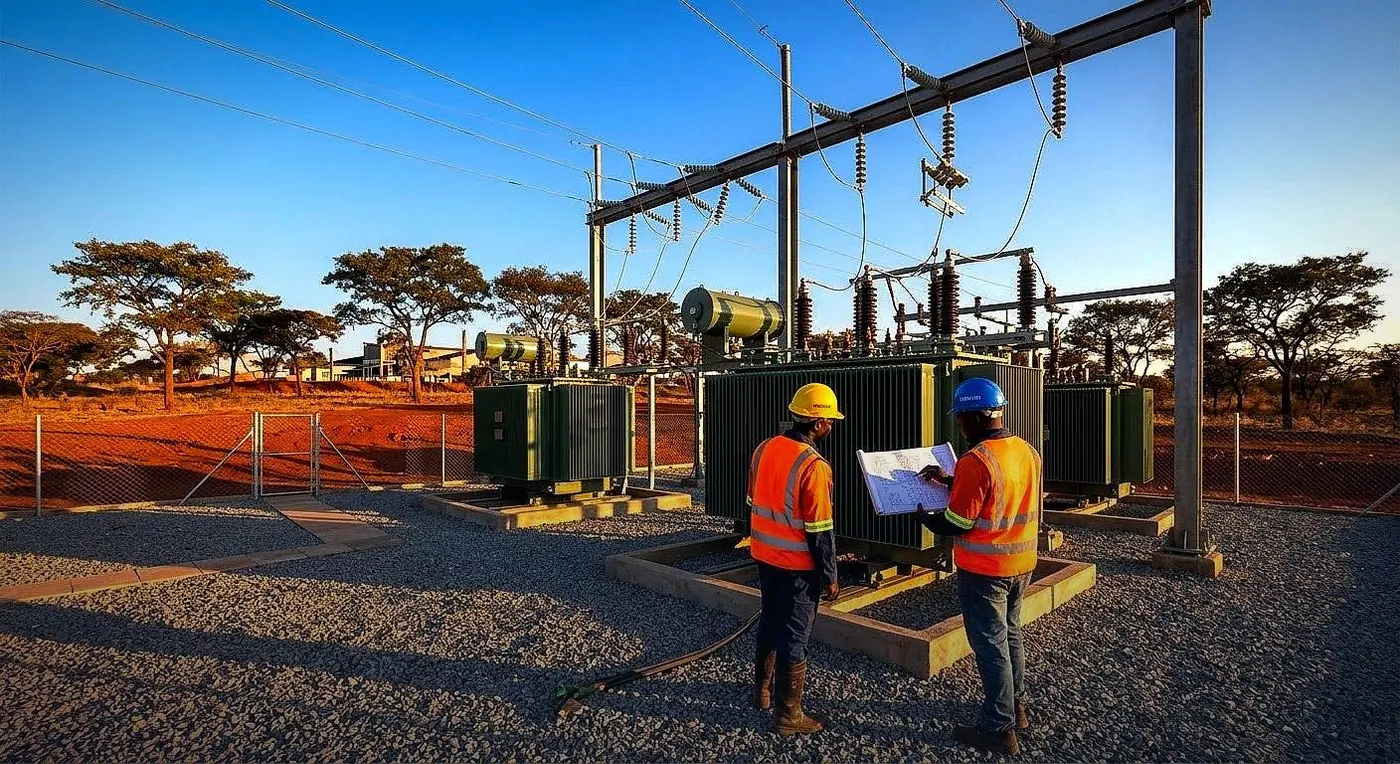
Owner’s Engineer for Captive Power Projects
An independent engineer on your side of the EPC contract (the contract with the firm that designs and builds). We review the specification, bids and test results so you know what you are paying for and what you are getting.
In depth
What an owner's engineer does, and why EPC buyers need one
On an engineering, procurement and construction (EPC) contract, one company designs, buys and builds the plant. It does this for a fixed price and programme. This is efficient, but the owner can see little of the technical detail. The owner's engineer is there to fix that. This article explains the role in the order the project unfolds.
Before the contract: define what you are buying
- Technical specification. A clear description of the plant, how it must perform and which standards it follows. An EPC bid is only as good as the specification it answers.
- Bid evaluation. Compare tenders on the same basis. Look at equipment quality, guarantees and exclusions, so the cheapest price does not turn out to be the cheapest plant.
- Contract technical schedules. Test procedures, performance guarantees, acceptance criteria and spare parts. They must be written so they can be measured.
During design: review before it is built
The engineer reviews the contractor's design documents. These include single-line diagrams, equipment selection, protection settings, layouts, and structural and electrical calculations. Errors found on drawings cost a fraction of errors found on site. The review also checks that the design meets the conditions of your licence and the utility's connection requirements. A licence is official permission from ZERA to do a regulated energy job, such as generating power.
At commissioning: witness and confirm
Commissioning means testing a new plant to prove it works as designed before it is handed over. The engineer witnesses the factory acceptance tests, the site acceptance tests and the performance tests. The results are checked against the contract. The engineer also confirms that the protection settings match the studies and that the plant meets the grid-code requirements. Documents, training and spares must be handed over too.
Read the full guide: What an owner's engineer does, and why EPC buyers need oneAlso covered: When you need one · What the owner receives at each stage · When it is worth having one
What you get
A second, independent pair of eyes on your project
A specification you can enforce
Clear technical requirements the contractor must meet, written before bids arrive.
Bids compared like for like
We review each bid technically, so price differences are explained, not guessed.
Fewer surprises at commissioning
Studies, drawings and test plans checked before changes become expensive.
Deliverables
What lands in your inbox
- Review of the technical specification
- Bid comparison and list of questions for bidders
- Notes from reviewing studies and drawings
- Plan for witnessing tests, and review of commissioning records
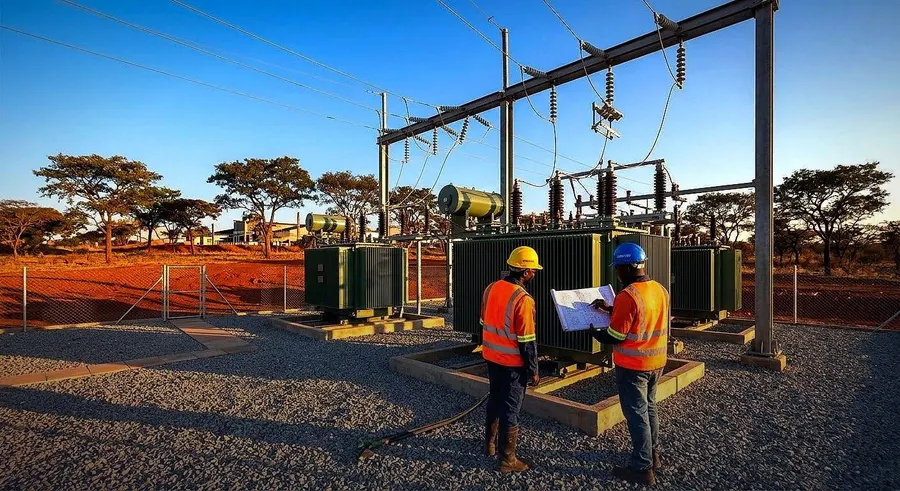 Substation equipment
How we work
From first message to finished work
- 1
Scope
We agree which stages you want covered, from specification to commissioning.
- 2
Review
We check the specification, bids, drawings and studies against each other.
- 3
Witness
We plan and review factory and site tests with you.
- 4
Hand over
You get a clear list of what we checked, what we found and what is still open.
Questions we hear
Before you book
Do you supervise construction?
We review documents and test results and can attend key milestones. We do not replace the contractor or any licensed site supervision the law requires.
Do you sell or install equipment?
No. We are vendor-neutral, so our advice does not depend on what is supplied.
What size of project is this for?
Best for captive-power projects with a single EPC contractor. Very large projects may need extra specialist partners alongside us.
Keep reading
The full guide, in plain English
Guide Projects · 5 min read
What an owner's engineer does, and why EPC buyers need one
The owner's engineer is the technical adviser on the buyer's side of an engineering, procurement and construction contract. This guide explains the role stage by stage.
Before the contract: define what you are buyingDuring design: review before it is builtAt commissioning: witness and confirmWhen you need oneWhat the owner receives at each stageWhen it is worth having one
Read the full guide
More guides that go with this page
 IPP development · 5 min readHow to develop a solar IPP in Zimbabwe: licence, PPA and what lenders checkRead the guide
 Projects · 10 min readReading a power purchase agreement: the technical schedules lenders look forRead the guide
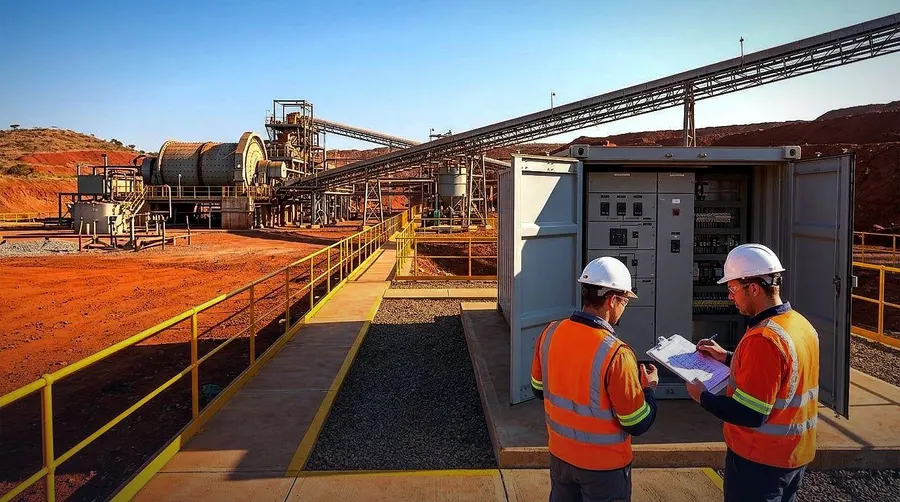 Mining power · 7 min readPowering a mine in Zimbabwe: grid, diesel or solar plus storage?Read the guide
Talk to an AVEX GRID consultant
Have a project in mind, or want a second opinion on a quote you have received? Send us a short message and we will reply within one working day.