
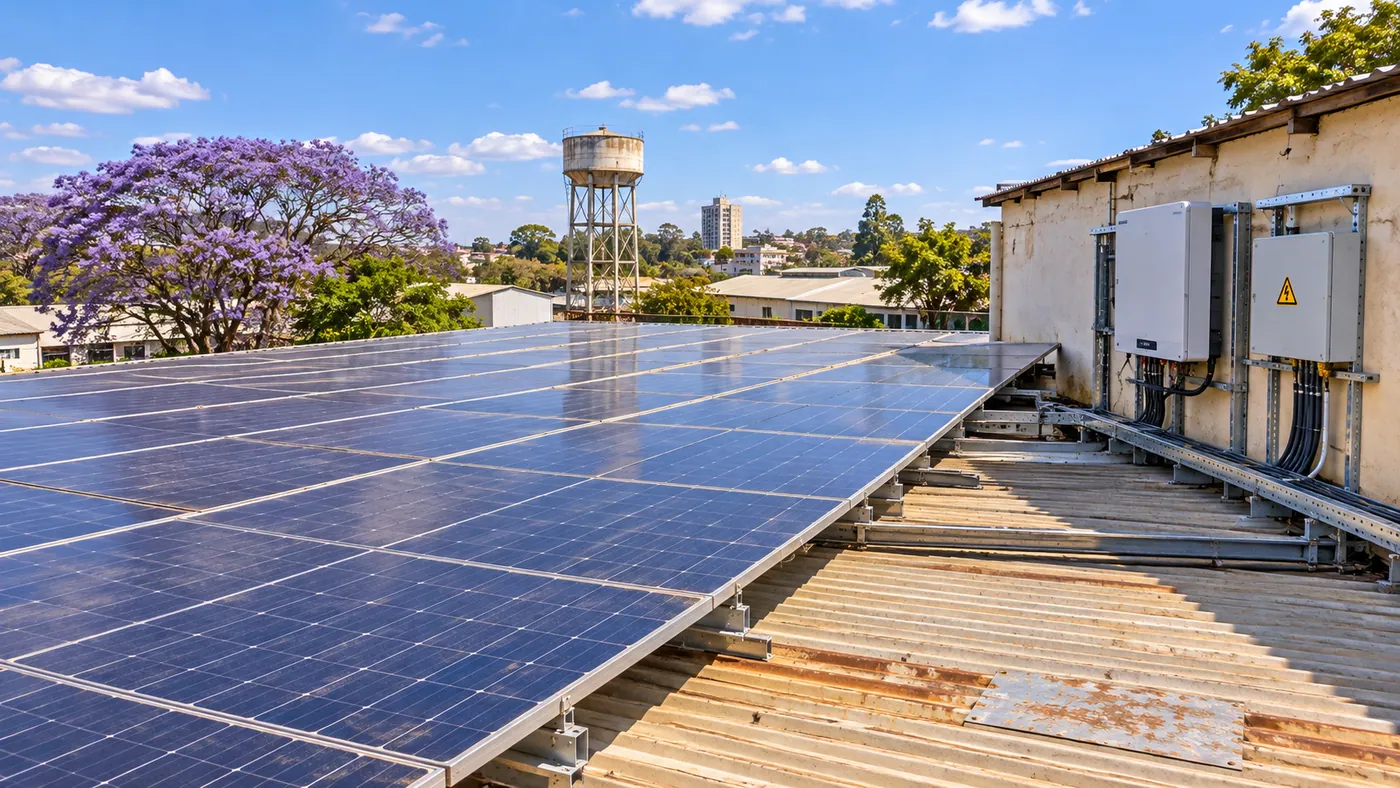
Captive Solar Feasibility Study
Is solar worth it for your site? A feasibility study sizes the system on your real load, tests the economics and maps the regulatory route, before you commit any money.
In depth
Is solar worth it for your factory? A feasibility study explained
Companies often ask whether solar is worth it. The honest answer is that it depends on four things. First, when you use power. Second, how much space and sun you have. Third, what you pay for the energy you replace. Fourth, how the project is financed and licensed. A feasibility study tests each of the four.
The yardsticks, in plain words
A solar decision rests on a handful of numbers. If two quotations use them differently, you cannot compare them. Here is what each one tells you.
Step 1: Understand the load
The study starts with 12 to 24 months of your bills. It also uses a measured profile of your load over a typical week. The question is how much of your demand happens in daylight. A day-shift factory with refrigeration uses most of its energy while the sun is up. A 24-hour operation can use solar for a smaller share, unless you add batteries.
Step 2: Assess the site
- Area and orientation. The roof or ground area, and the tilt and direction of the panels, set how much capacity fits.
- Structure. The roof must carry the extra weight and the wind forces. An engineer checks its condition before the design is fixed.
- Shading and dirt. Nearby buildings, trees and dust reduce output. We include them in the yield model.
Read the full guide: Is solar worth it for your factory? A feasibility study explainedAlso covered: Step 3: Model the energy · Step 4: Test the economics · A worked case: a 640 kWp plant for a 180,000 kWh a month site · What moves the answer most
What you get
A decision you can defend to your board or a lender
Real numbers
System size, cost per kWh over its life (LCOE), payback and returns, worked out from your own bills and tested against changes.
Risks written down
Technical, regulatory and financial risks, each with a way to reduce it.
Written for lenders
Laid out so a bank or funder can follow every assumption.
Deliverables
What lands in your inbox
- Your demand pattern, from your data
- Solar and battery options compared
- Cost per kWh (LCOE), payback and returns, tested against changes
- Summary of the regulatory route
- List of risks
- Summary for your board
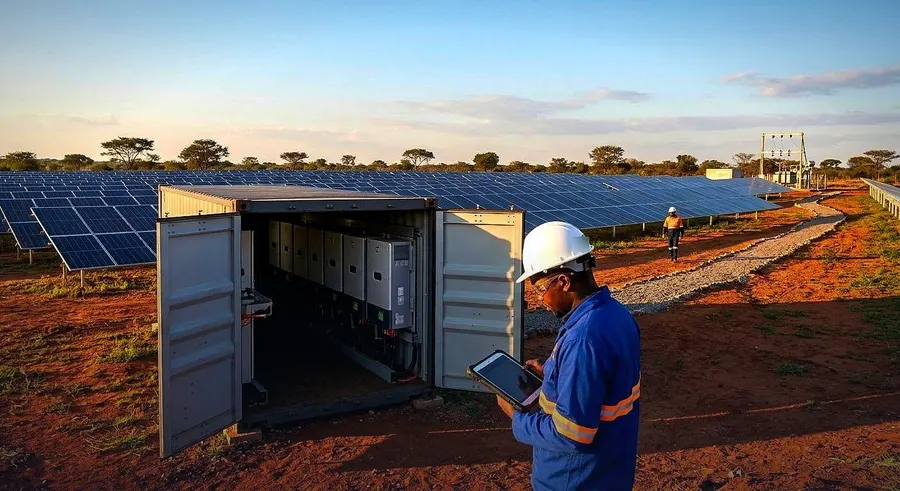 Inverter station
Before the call
What to bring
Rough information is fine. This is what lets us scope and quote quickly.
- 12 months of bills and any half-hourly data
- Roof or land layout, or satellite coordinates
- Diesel use and power-cut history
- The single-line diagram, or a photo of your main panel
How we work
From first message to finished work
- 1
Brief
A short call or message. Tell us about your site, your deadline and what is at stake. We reply within one working day.
- 2
Scope & fixed quote
We agree exactly what we will deliver, what we need from you, the timeline and a fixed price, before any work starts.
- 3
Engineer & document
We study your data, test the options and write the report or application, with every assumption stated.
- 4
Hand over & support
You get the finished package and a walk-through. We stay available while it is reviewed, approved or built.
Questions we hear
Before you book
What do you need from me?
Twelve months of electricity bills, a site layout or roof area, and any logged demand data. We plan the rest with you.
What if solar does not make sense for my site?
Then the study says so and tells you what to do instead. That is still a useful answer for the cost of a study.
Keep reading
The full guide, in plain English
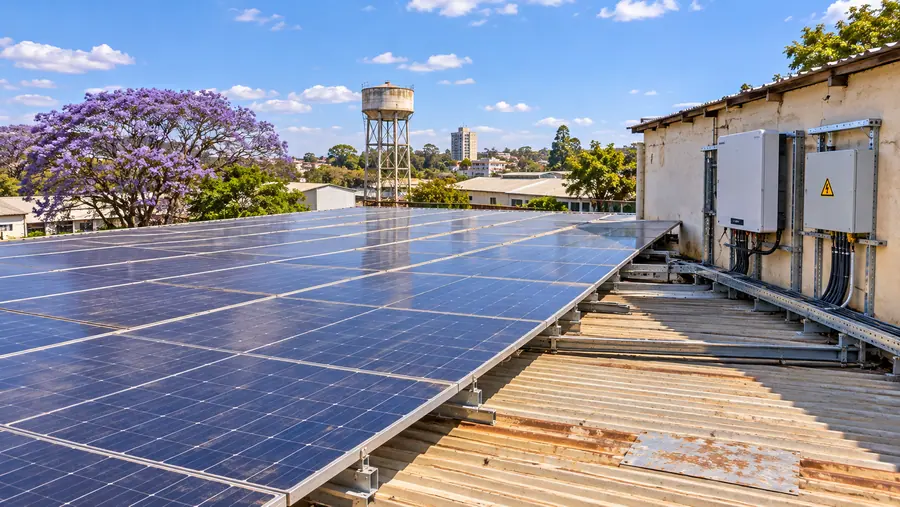 Guide Solar · 11 min read
Is solar worth it for your factory? A feasibility study explained
How an engineer decides whether solar makes sense for an industrial site: load, roof, tariff, finance and grid rules, and the questions a good feasibility study answers.
The yardsticks, in plain wordsStep 1: Understand the loadStep 2: Assess the siteStep 3: Model the energyStep 4: Test the economicsA worked case: a 640 kWp plant for a 180,000 kWh a month site
Read the full guide
More guides that go with this page
 Solar · 9 min readSolar for business in Zimbabwe: own-consumption licences, net metering and when it paysRead the guide
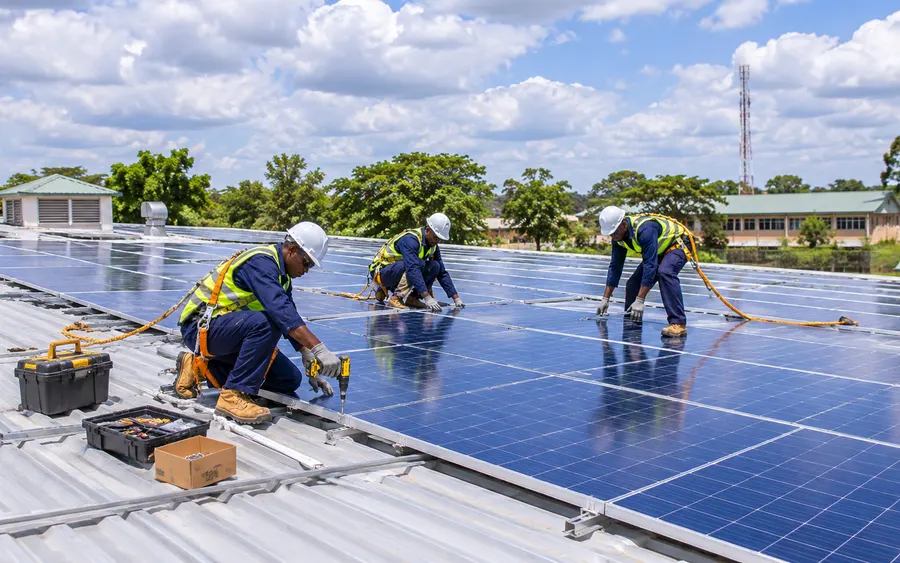 Storage · 10 min readSizing solar plus battery: the questions that decide the design and the costRead the guide
 Mining power · 7 min readPowering a mine in Zimbabwe: grid, diesel or solar plus storage?Read the guide
Talk to an AVEX GRID consultant
Have a project in mind, or want a second opinion on a quote you have received? Send us a short message and we will reply within one working day.