
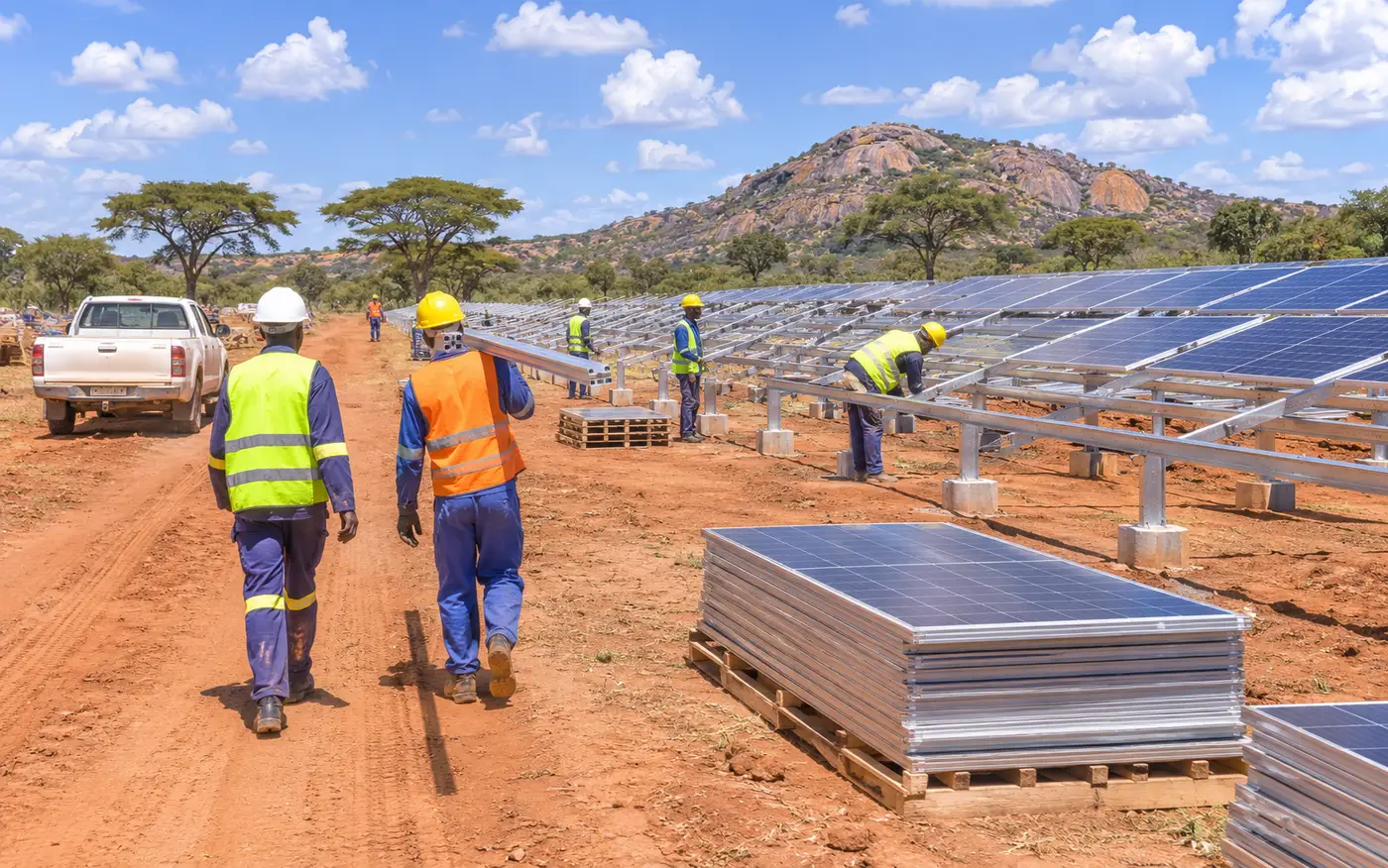
EIA for a Solar Project in Zimbabwe: What to Expect
Planning a solar or other energy project? A plain-English look at the environmental approval step and where the engineering work fits in.
In depth
Environmental approvals for a solar plant in Zimbabwe: what the process involves
Solar developers in Zimbabwe soon learn that the technical design is only one of the documents a project needs. Four approvals run side by side, and each depends on the others. They are the generation licence, the connection agreement, the land rights and the environmental approval. A licence is official permission from the Zimbabwe Energy Regulatory Authority (ZERA).
The legal framework
The Environmental Management Act is the main law for protecting the environment in Zimbabwe. It sets up the Environmental Management Agency (EMA), which approves projects that could affect the environment. It also requires an assessment of any project likely to have significant effects. The detailed procedure is in the Environmental Impact Assessment and Ecosystems Protection Regulations of 2007, Statutory Instrument 7 of 2007.
The regulations include a schedule of prescribed projects. Any project on that schedule must complete an environmental impact assessment and get an approval before it starts. The power generation and transmission category is generally described as covering thermal power stations, hydropower schemes and high-voltage transmission lines.
The steps of the process
The process follows a sequence common to environmental assessment systems. First, the developer or its consultant registers the project with the Agency. They submit a prospectus, or project description, that sets out the location, the size, the technology and the main activities. The Agency reviews it. It then decides whether a full assessment is needed and what the assessment must cover. This screening step is commonly said to take about twenty working days.
If a full assessment is required, the consultant prepares the terms of reference. The consultant then carries out the specialist studies and the public consultation. Finally, the consultant writes the environmental impact assessment report with an environmental management plan.
What the assessment studies
An assessment of a solar plant normally covers a set list of topics. First, it describes the site and how the land is used. That includes the vegetation, the soils and slope, the drainage and any watercourses, and any protected or sensitive species.
Second, it looks at the effects of construction. These are clearing, earthworks, dust, noise, traffic, the workforce and its accommodation, waste, and the handling of fuels and concrete. Third, it looks at the effects during operation.
Social issues are central. Land taken for a plant may be used for grazing or cropping. So the consultation must reach the people who use it and those who live nearby. The report describes employment, local buying and the benefits to the community. It also describes how complaints will be handled.
Read the full guide: Environmental approvals for a solar plant in Zimbabwe: what the process involvesAlso covered: Managing the process so it does not delay the project · Own-consumption plants and smaller projects · Lenders and the environmental file
What you get
Engineering information your EIA consultant can use
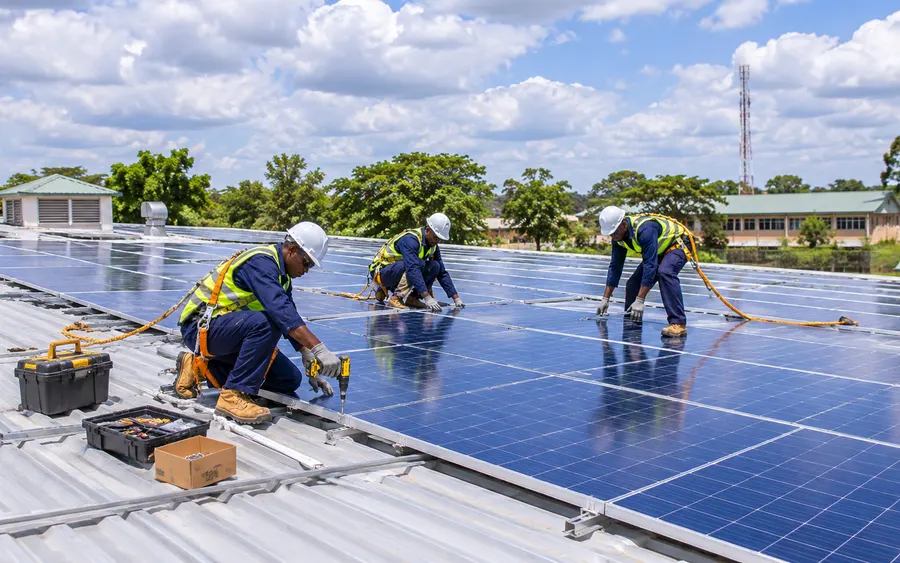 Solar construction
A clear project description
Layout, size, equipment and grid connection in one technical file.
Fewer questions from the regulator
Matching technical documents across the EIA and the licence.
Less redoing
Design choices settled early, so the assessment does not have to start again.
How we work
From first message to finished work
- 1
Brief
A short call or message. Tell us about your site, your deadline and what is at stake. We reply within one working day.
- 2
Scope & fixed quote
We agree exactly what we will deliver, what we need from you, the timeline and a fixed price, before any work starts.
- 3
Engineer & document
We study your data, test the options and write the report or application, with every assumption stated.
- 4
Hand over & support
You get the finished package and a walk-through. We stay available while it is reviewed, approved or built.
Questions we hear
Before you book
Can you prepare the EIA?
No. An EMA-approved consultant must prepare it. We give the engineering input and support.
What does it cost?
EMA fees and consultant charges vary and are being revised. Ask EMA or your EIA consultant for the current figures.
Keep reading
The full guide, in plain English
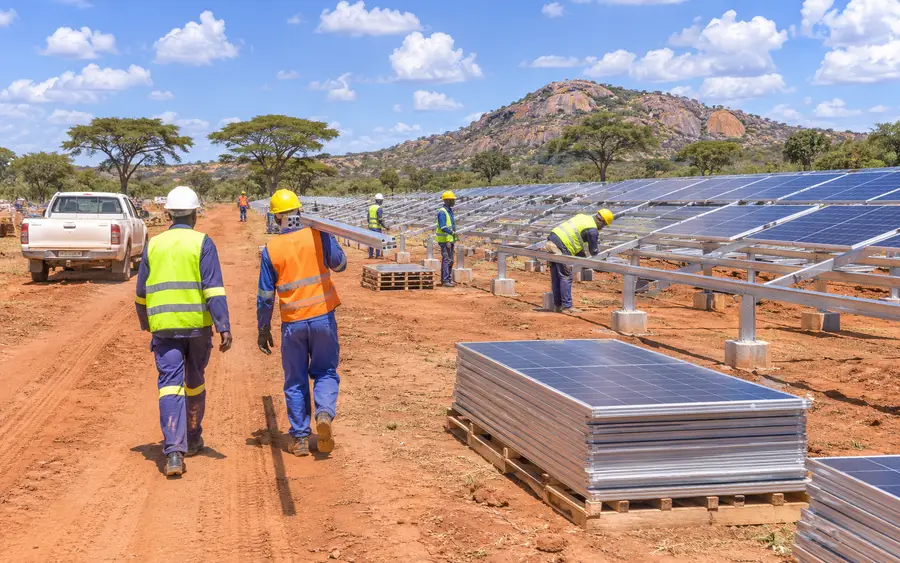 Guide Environment · 7 min read
Environmental approvals for a solar plant in Zimbabwe: what the process involves
How the environmental impact assessment process under the Environmental Management Act applies to a solar project, how it connects to the ZERA generation licence, what the assessment studies and how to run the process without delaying the project.
The legal frameworkThe steps of the processWhat the assessment studiesManaging the process so it does not delay the projectOwn-consumption plants and smaller projectsLenders and the environmental file
Read the full guide
More guides that go with this page
 Solar · 9 min readSolar for business in Zimbabwe: own-consumption licences, net metering and when it paysRead the guide
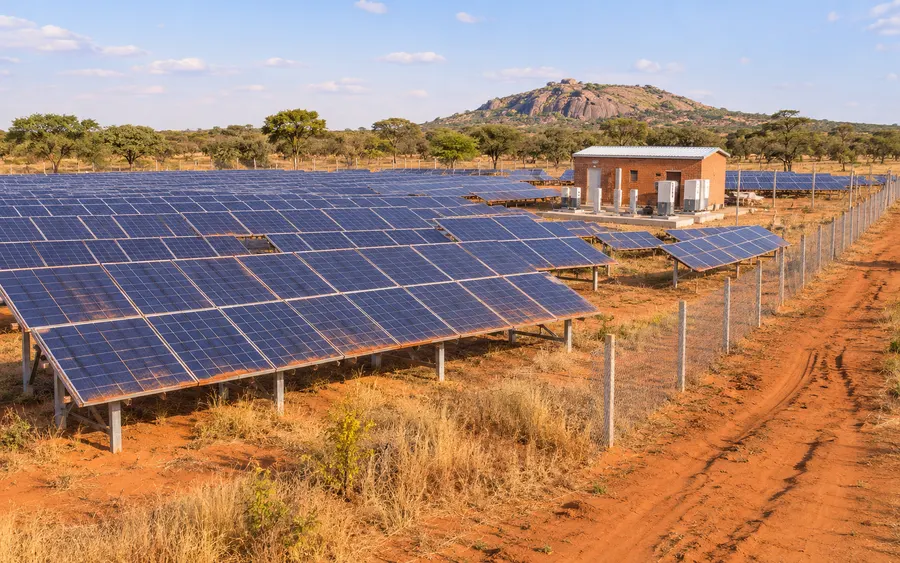 IPP development · 5 min readHow to develop a solar IPP in Zimbabwe: licence, PPA and what lenders checkRead the guide
 Solar · 11 min readIs solar worth it for your factory? A feasibility study explainedRead the guide
Talk to an AVEX GRID consultant
Have a project in mind, or want a second opinion on a quote you have received? Send us a short message and we will reply within one working day.