

Own-Consumption Solar Registration in Zimbabwe
Putting up solar to power your own site? A plain-English guide to the registration route, what to prepare, and where the technical work fits in.
In depth
Net metering in Zimbabwe, step by step: from design to the commissioning test
This article follows one grid-tied solar system from the first design to the day it is registered and metered. It adds to our wider guide to own-consumption solar and net metering. Here you get a practical sequence you can plan around.
What net metering means
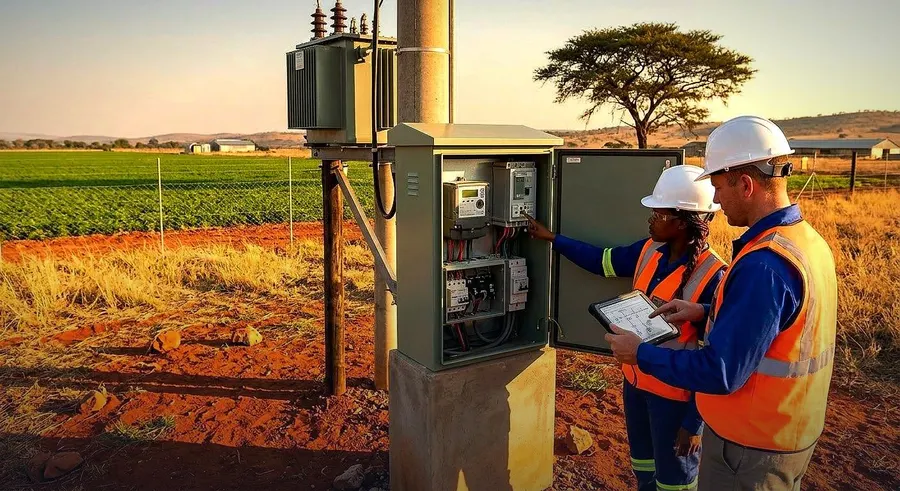
A net-metered customer makes electricity on site, uses what is needed and sends any extra to the grid. A two-way meter records both flows. The utility sets the exported energy off against the imported energy in the billing period. You pay for the difference. Depending on the arrangement, you may carry a credit forward. The exact terms are in the regulations and the utility rules for your tariff class.
Stage 1: Design for the connection rules
The design must respect the capacity of your supply and the utility's technical requirements. The key items are the inverter ratings, the protection settings, the cable sizes and the point of connection. The design also decides how much of the energy you will use on site. That sets the value of the plant.
Stage 2: The technical file
- A single-line diagram showing the array, the inverters, the protection and the point of connection.
- Datasheets and certificates for the inverters and the panels.
- The protection settings, including how the system behaves with anti-islanding.
- A site layout and the contact details of your installer.
Read the full guide: Net metering in Zimbabwe, step by step: from design to the commissioning testAlso covered: Stage 3: Approval and agreement · Stage 4: Installation and metering · Stage 5: The commissioning test · Avoiding delays
What you get
The right size, properly prepared, no redoing
A system that fits your load
Sized on your bills and usage, so you do not pay for kilowatts you cannot use.
A complete application
Single-line diagram, protection notes and test records ready before you file.
The right route first time
We confirm whether you register, net-meter or license before you spend on equipment.
Deliverables
What lands in your inbox
- Route check (register, net-meter or licence)
- Sizing and single-line diagram
- Protection and grid-connection notes
- Application document pack
- Commissioning test checklist
 Metering and connection
Before the call
What to bring
Rough information is fine. This is what lets us scope and quote quickly.
- System size, equipment datasheets and layout
- Single-line diagram and protection scheme
- Latest utility bill and connection details
- Land or roof ownership evidence
How we work
From first message to finished work
- 1
Brief
A short call or message. Tell us about your site, your deadline and what is at stake. We reply within one working day.
- 2
Scope & fixed quote
We agree exactly what we will deliver, what we need from you, the timeline and a fixed price, before any work starts.
- 3
Engineer & document
We study your data, test the options and write the report or application, with every assumption stated.
- 4
Hand over & support
You get the finished package and a walk-through. We stay available while it is reviewed, approved or built.
Questions we hear
Before you book
Do I need a licence for rooftop solar?
It depends on size and purpose. As we read the 2026 rules, mid-size generation for your own use is registered, not licensed. Check the official text, or ask us to confirm for your project.
Who files the application?
The owner or installer files. We prepare the technical content and help you answer any questions.
Keep reading
The full guide, in plain English
 Guide Solar · 8 min read
Net metering in Zimbabwe, step by step: from design to the commissioning test
The path from a solar design to a registered, metered connection: who approves what, the documents to prepare and the commissioning test that closes the process.
What net metering meansStage 1: Design for the connection rulesStage 2: The technical fileStage 3: Approval and agreementStage 4: Installation and meteringStage 5: The commissioning test
Read the full guide
More guides that go with this page
 Solar · 9 min readSolar for business in Zimbabwe: own-consumption licences, net metering and when it paysRead the guide
 Solar · 11 min readIs solar worth it for your factory? A feasibility study explainedRead the guide
 Metering · 7 min readSmart meter verification: how to prove your electricity bills are rightRead the guide
Talk to an AVEX GRID consultant
Have a project in mind, or want a second opinion on a quote you have received? Send us a short message and we will reply within one working day.