
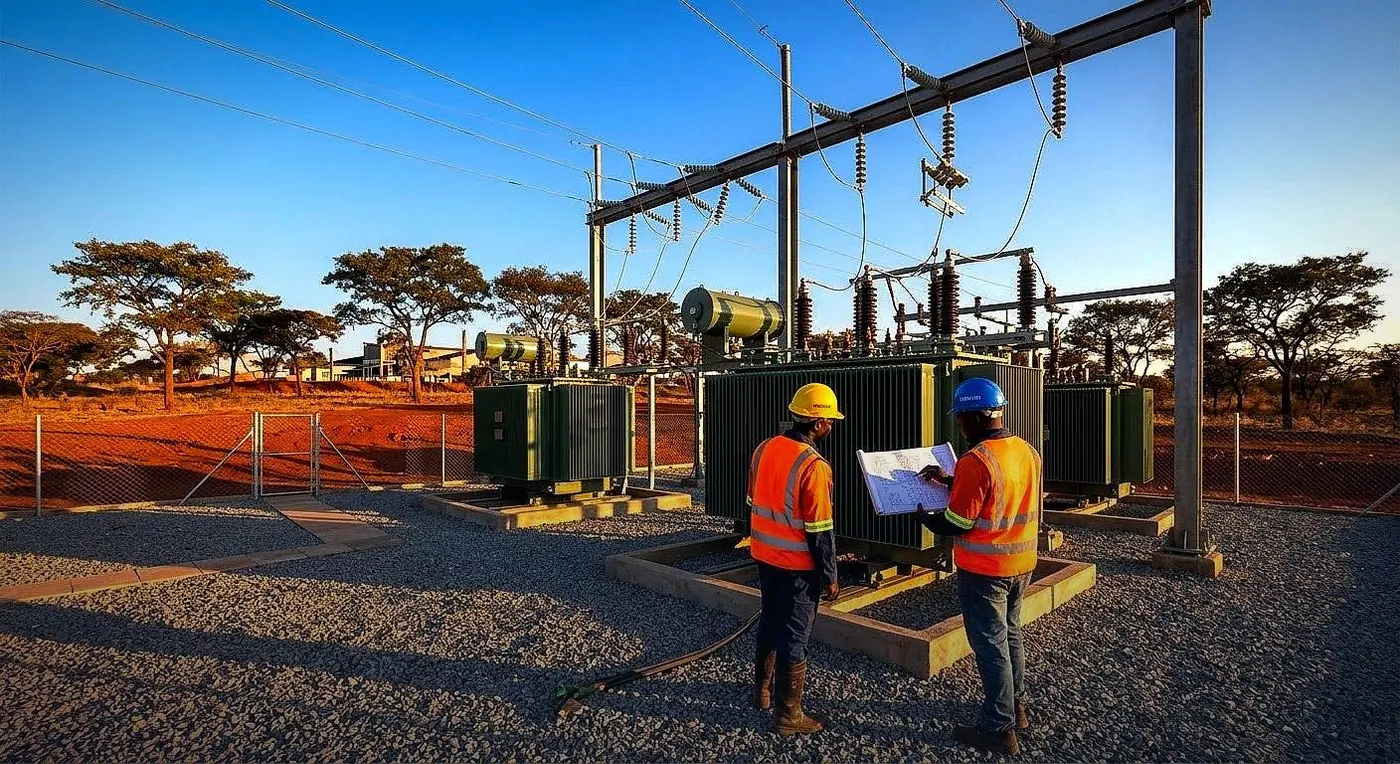
What an owner's engineer does, and why EPC buyers need one
A contractor knows how to build the plant. The owner needs someone who knows what should be built and checks that it is: the owner's engineer.
In this article
Key points
- An owner's engineer looks after the buyer's technical interests from design to handover. They are not a contractor and have nothing to sell you.
- The role is most valuable before the contract is signed, while specifications, guarantees and tests can still be negotiated.
- During construction the engineer reviews the design, inspects the work and witnesses tests against the specification.
- At commissioning the engineer confirms the plant meets its guarantees and that documents, spares and training are in place.
- An owner's engineer is not the same as a lender's engineer. One advises the owner, the other reports to the financiers.
On an engineering, procurement and construction (EPC) contract, one company designs, buys and builds the plant. It does this for a fixed price and programme. This is efficient, but the owner can see little of the technical detail. The owner's engineer is there to fix that. This article explains the role in the order the project unfolds.
Before the contract: define what you are buying
- Technical specification. A clear description of the plant, how it must perform and which standards it follows. An EPC bid is only as good as the specification it answers.
- Bid evaluation. Compare tenders on the same basis. Look at equipment quality, guarantees and exclusions, so the cheapest price does not turn out to be the cheapest plant.
- Contract technical schedules. Test procedures, performance guarantees, acceptance criteria and spare parts. They must be written so they can be measured.
During design: review before it is built
The engineer reviews the contractor's design documents. These include single-line diagrams, equipment selection, protection settings, layouts, and structural and electrical calculations. Errors found on drawings cost a fraction of errors found on site. The review also checks that the design meets the conditions of your licence and the utility's connection requirements. A licence is official permission from ZERA to do a regulated energy job, such as generating power.
During construction: inspect and record
| Activity | What the engineer does |
|---|---|
| Factory and delivery checks | Verifies that the delivered equipment matches the approved datasheets |
| Site inspections | Checks workmanship, earthing, cable installation, mounting and safety |
| Progress reporting | Compares progress with the programme and flags delays early |
| Non-conformance control | Records defects and confirms that they are closed |
At commissioning: witness and confirm
Commissioning means testing a new plant to prove it works as designed before it is handed over. The engineer witnesses the factory acceptance tests, the site acceptance tests and the performance tests. The results are checked against the contract. The engineer also confirms that the protection settings match the studies and that the plant meets the grid-code requirements. Documents, training and spares must be handed over too. A completion certificate is issued only when the plant has passed the tests that the contract defines.
When you need one
- You are buying a plant under an EPC contract, and your own team does not have the technical depth to review it.
- You are an overseas investor and need a trusted technical presence on the ground.
- A lender or a regulator expects independent technical oversight.
- A failed test or a late commissioning would cost more than the oversight.
What it adds to the project
What the owner receives at each stage
The easiest way to judge an owner's engineer is by what you receive at each stage. The list below is typical for a captive solar or hybrid plant. You agree the scope before the work starts.
- Before the contract is signed. A review of the feasibility study and the yield assumptions. A feasibility study checks whether a project is technically sound and pays for itself before money is committed. You also get a check of the grid study and the connection requirements. Finally, you get a list of the technical points the contract must settle, such as performance guarantees, acceptance tests and spares.
- During design. A review of the single-line diagram, equipment data sheets and protection settings against the specification. The single-line diagram is a simple drawing that shows how the parts of the electrical system connect. The contractor must answer the engineer's comments in writing.
- During construction. Inspection and test plans, witnessing of factory tests where they matter, and site inspections. You also get a snag list. The engineer tracks it until every item is closed.
- At commissioning. Witnessing of the site acceptance tests, a check that protection works as set, and confirmation that the as-built drawings and manuals match what was installed.
- After handover. A performance check against the guarantee, support with warranty claims, and a record of what was agreed. That way the owner does not depend on memory.
When it is worth having one
The role pays for itself in three cases. The first is when the owner cannot judge the technical detail alone. The second is when the contract value is large compared with the cost of the review. The third is when a lender or a regulator will ask for independent confirmation. It helps least when it is brought in after the contract is signed. The cheapest changes are the ones you make before the price is fixed.
How AVEX GRID helps
- Specification and bid review so you buy what you intend to buy.
- Design review and ETAP studies that check protection and grid compliance. ETAP is software that engineers use to model and study electrical power systems.
- Site presence and commissioning witness in Zimbabwe, with reporting to you and your lender.
What AVEX GRID can take off your hands
AVEX GRID is an engineer-led energy consultancy in Zimbabwe. We do the technical work that turns an energy investment into a plant that is licensed, connected, financed and performing, whether you are a local operator or an investor overseas.
We quote fixed prices after a free scoping call and reply the same working day.
Frequently asked questions
Is an owner's engineer a contractor?
No. The engineer is independent of the contractor and has no commercial interest in the equipment supplied.
Does an owner's engineer replace the EPC contractor's supervision?
No. The contractor remains responsible for its work. The engineer checks that the work meets the specification.
When should the engineer be appointed?
Before the tender is issued, if possible, because specifications and guarantees are written then.
Can the work be done remotely?
Design review and document control can be remote. Inspections and test witnessing are done on site.
Sources and notes
General information to help you plan. The rules that apply to your site are confirmed by AVEX GRID against the current gazetted text, ZERA and ZETDC as part of the work. The sources used are listed below.