
Invest in Zimbabwe's energy sector: opportunities, incentives and the due diligence you need
Zimbabwe needs more power than it can supply, and private generators are being licensed. For investors, that gap is the opportunity, if the project is one a bank will fund.
In this article
Key points
- The gap is large: about 1,537 MW generated in 2025 against peak demand near 2,200 MW, with load-shedding up to 20 hours a day in some towns.
- Energy led approved investment in 2025, according to ZIDA: over 57% of approvals in Q1 and about US$1.8 billion in Q2.
- Incentives include duty rebates on solar equipment, tax holidays for bigger projects and a special economic zone package. Check eligibility against the law.
- Chinese companies are active in generation, lithium and solar, with total Chinese investment above US$10 billion by 2025.
- The main risks are payment security, currency, grid capacity, licensing speed and policy change. Technical due diligence reduces them.
投资津巴布韦能源行业:机会、激励政策与尽职调查要点
- 津巴布韦电力缺口明显:据报道2025年平均发电约1,537兆瓦,而高峰需求估计约2,200兆瓦,部分城市限电最长达每天约20小时。
- 据津巴布韦投资发展局(ZIDA)相关报道,2025年能源行业在获批投资中占比居首:第一季度占比超过57%,第二季度约18亿美元。
- 据报道的激励措施包括:光伏设备进口关税减免、较大项目的免税期,以及经济特区的税收优惠。ZIDA负责协调,具体资格请以法规原文为准。
- 中国企业已涉足发电、锂矿和光伏等领域;据一位官员表示,截至2025年中国对津直接投资已超过100亿美元。
- 主要风险包括:付款保障、汇率与货币兑换、电网容量、许可审批速度和政策变化。技术尽职调查可显著降低风险。
- AVEX GRID 是位于津巴布韦的工程师主导的能源咨询公司,提供可行性研究、ETAP电网研究、ZERA许可技术文件和业主工程师服务,可为海外团队远程协作并在当地提供支持(英文沟通)。
联系方式:WhatsApp +7 900 131 7406,邮箱 inquiries@avexgrid.com。
Whether you are looking at Zimbabwe from Beijing, Dubai, London, Johannesburg or Harare, the energy questions are the same. Where is the demand? Who pays? What can go wrong? This guide gives investors and developers a practical view of the opportunity, the incentives, and the checks that separate a project a bank will fund from one that gets stuck.
Why the opportunity exists
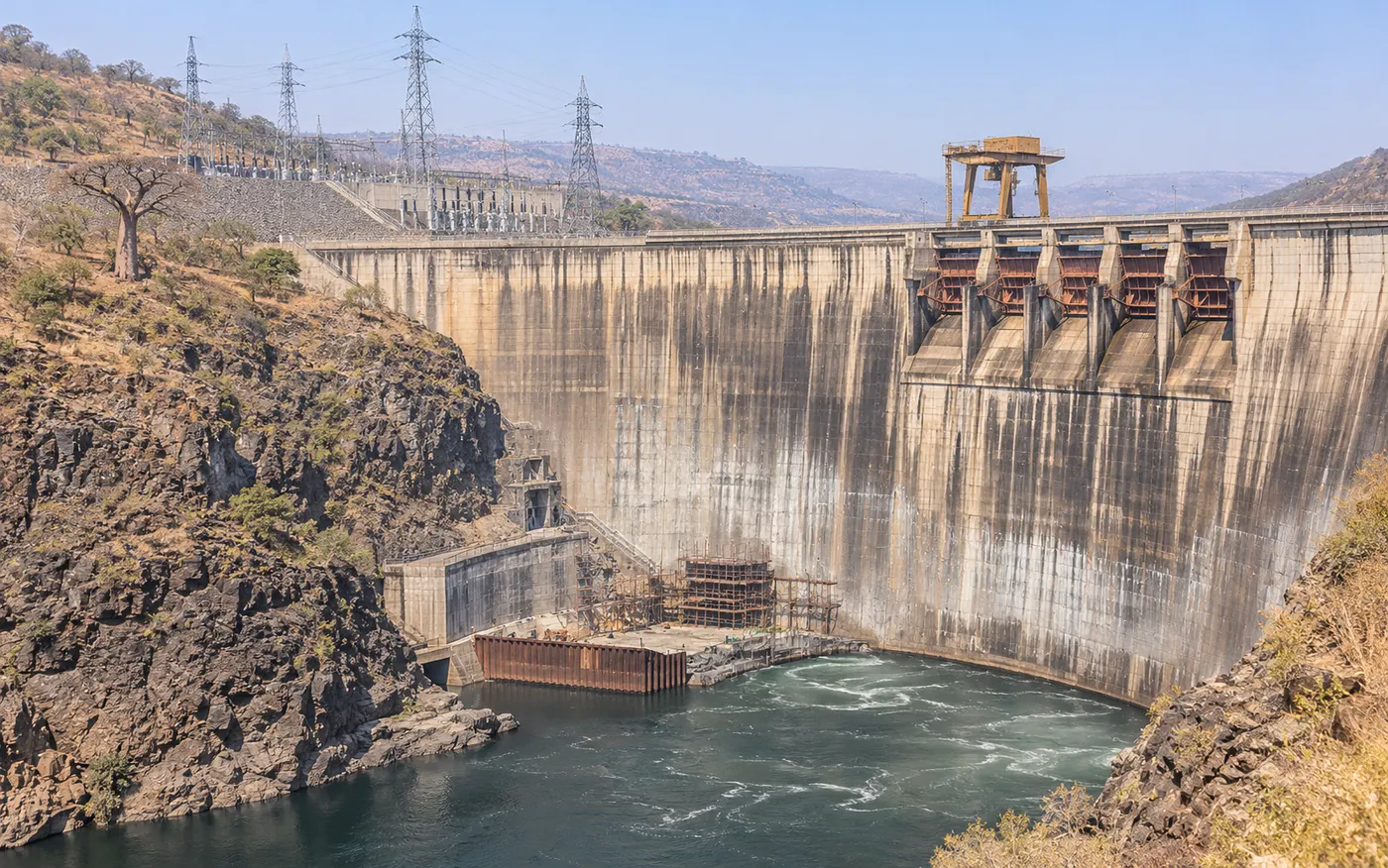
Hwange thermal power station and Kariba hydro supply most of the grid, and Kariba suffers when there is drought. Mines, factories and farms have answered by building their own power, and the regulator has answered by licensing them. ZERA approved 61 generation licences in 2025, many of them for solar plants that companies built for their own use. For an investor, demand is not the question. Delivery and payment are.
Figures as reported; peak demand is an estimate. Source: ZERA and press reports
Where the opportunities are
| Segment | Why it works | Main risk |
|---|---|---|
| Captive solar and storage for mines and industry | Customers need power now, pay in foreign currency and can sign direct contracts | Customer credit, load changes, grid connection |
| Grid-connected solar IPPs | Long-term PPAs with ZETDC (25 years) and a government guarantee framework | Payment security, currency, licensing speed |
| Hybrid mini-grids | Rural and farm loads, mining villages and processing hubs | Small tickets, tariff design, collections |
| Energy efficiency and ESCO services | SI 122 of 2026 requires larger users to audit, plan and act on savings | Licensing of auditors and ESCOs; measuring savings |
| Storage and grid services | Peak shaving, backup and stability as solar grows | Regulation still developing |
| Equipment and EPC supply chains | Steady demand for solar, inverters, transformers and switchgear | Import duties, forex, quality control |
Incentives
- Duty rebates on imported solar equipment, and tax holidays for projects costing about US$500,000 and above, as described by a deputy energy minister.
- Special economic zones: officials have described 0% corporate income tax for the first five years, lower rates afterwards, and duty rebates on qualifying capital imports.
- Licensing: ZERA has cut application fees for some project sizes. Solar PV below 10 MW needs a licence but pays no licence fee.
- Guarantees: government has described guarantees for independent power producers covering payment security, tariffs that reflect cost, and the ability to convert currency.
- One-stop help: the Zimbabwe Investment and Development Agency (ZIDA) coordinates incentives and approvals through its One-Stop Investment Services Centre. ZIDA's chief has said it coordinates incentives and does not grant them, so check each benefit against the law.
Who is already in
Chinese companies are among the biggest investors in Zimbabwean power and minerals. They have invested in generation at Hwange and Kariba, and in lithium, where Prospect Lithium, linked to Huayou, is building a 70 MW off-grid solar plant for a processing facility. An official quoted in the Herald put total Chinese direct investment in Zimbabwe above US$10 billion by 2025. Independent developers and funds have signed 25-year PPAs for solar plants, and government lists mining, energy and infrastructure among its priority sectors.
The risks, honestly
- Payment and currency. Who pays you, in which currency, and what stands behind the promise? Read the guarantee and the PPA, not a summary.
- Grid capacity and curtailment. A site that cannot export, or is often switched off, earns less than your model says.
- Time to get licensed. Projects can take more than two years to reach a licence and a PPA.
- Tariff and policy change. Tariffs are under review, and rules such as SI 122 of 2026 are new.
- Water. Kariba output rises and falls with rainfall. That makes reliable private supply more valuable, and grid shortfalls more likely.
- Quality of delivery. Contractors, equipment and commissioning decide whether the plant performs as the model says.
A due-diligence checklist for investors
- An independent energy-yield assessment with P50 and P90 values.
- A grid impact study, and a written view from the network operator on capacity and curtailment.
- Licence status, with the exact conditions and the expiry date.
- PPA or supply-contract terms: tariff, price adjustment, currency, termination and payment security.
- Land rights and environmental approvals that match the programme.
- EPC and O&M contracts with performance guarantees, and references from the contractors.
- A technical review of the equipment, protection and commissioning plans by an engineer on your side.
- A financial model whose assumptions you can trace to evidence.
How to enter Zimbabwe sensibly
- Pick one project type and learn its path from start to finish.
- Appoint a technical adviser early, before you spend on land, permits or equipment.
- Use local engineers for site data, meetings with the utility and the regulator, and commissioning. Do the remote modelling from your headquarters.
- Release your capital in stages: feasibility first, then licence and grid study, then financial close.
What AVEX GRID can take off your hands
AVEX GRID is an engineer-led energy consultancy in Zimbabwe. We do the technical work that turns an energy investment into a plant that is licensed, connected, financed and performing, whether you are a local operator or an investor overseas.
We quote fixed prices after a free scoping call and reply the same working day.
Frequently asked questions
Is Zimbabwe open to foreign investment in energy?
Yes. There is an active licensing regime, guarantees for IPPs, incentives and an investment agency (ZIDA) that coordinates approvals. AVEX GRID prepares the technical file for each benefit you apply for.
Which energy investments are easiest to start?
Captive solar and storage for mines and industry is the fastest route, because customers are ready and the licence is for own consumption. Grid-connected IPPs take longer because of the PPA.
What is the biggest risk?
Payment security and currency, followed by grid capacity and licensing time. Technical and contractual due diligence addresses most of them.
Can you work with Chinese and other overseas teams?
Yes. We work in English, model remotely, and support site work, regulators and commissioning in Zimbabwe. A Chinese summary is included in our investor articles.
Sources and notes
General information to help you plan. The rules that apply to your site are confirmed by AVEX GRID against the current gazetted text, ZERA and ZETDC as part of the work. The sources used are listed below.
- Herald: Power production surges as government targets US$9 billion energy investment
- Zimbabwe Now: Energy sector leads in investment as ZIDA targets 2025
- Mining Zimbabwe: Energy and mining lead Zimbabwe's investment momentum in Q2 2025
- Financial Gazette: Energy sector leads investment inflows (25 Sep 2025)
- Herald: Energy sector reforms attract 1,000 MW additional power investments
- China Global South Project: Huayou unit to build 70 MW solar plant (Nov 2025)
- Green Building Africa: ZIDA invites energy projects as Zimbabwe eases licensing for small power plants
- ZIDA: investment opportunities prospectus