
I-REC certificates explained for Zimbabwean generators and buyers
A unit of electricity looks the same whether it came from a dam or a coal plant. A renewable energy certificate proves where yours came from.
In this article
Key points
- One I-REC (International Renewable Energy Certificate) stands for one megawatt-hour of renewable electricity from a registered plant.
- Zimbabwe was approved for I-REC(E) issuance in 2023, with the Green Certificate Company as issuer. Very little has been issued, almost all from hydropower.
- A buyer who retires a certificate can claim the renewable electricity in its market-based Scope 2 figure; the location-based figure is unaffected.
- To register, a generator selects an issuer, completes an audit of each production device and records its output with metering that the issuer accepts.
- The certificate is an accounting instrument. Its credibility depends on the metering, the registration and the avoidance of double counting.
Companies that want to cut their reported emissions from electricity have two routes. They can change the physical supply, for example by installing solar. Or they can change the claim that goes with the electricity they already buy. The second route uses certificates. In Zimbabwe the system for this was set up only in 2023, and the market is still young. If you are a generator, or a large buyer who expects questions about renewable electricity, it helps to understand how the certificate works.
What a certificate is
An energy attribute certificate separates the green side of renewable generation from the electricity itself. The green side is the fact that the power was made by sun, water or wind. The I-REC Standard is one of several systems that issue such certificates. An I-REC is an international renewable energy certificate, and the International REC Standard Foundation runs the standard. One I-REC stands for one megawatt-hour of generation. It is issued to the registered owner of a generating plant after the output has been measured and checked. It can then be sold separately from the electricity. When a buyer uses a certificate to make a claim, it is redeemed in the registry. This is also called retiring or cancelling it, and it means the certificate cannot be used again.
Retirement exists to prevent double counting. One megawatt-hour of renewable generation can support only one claim. Suppose the generator sold the electricity to one party and the certificate to another. Then the party that holds and retires the certificate is the one entitled to claim the renewable side. The electricity buyer is treated as having used the average electricity of the grid.
What a buyer can claim
The Greenhouse Gas Protocol's Scope 2 Guidance asks companies to report their electricity emissions in two ways. Scope 2 means emissions from the electricity you buy.
The location-based method uses the average emission factor of the grid where the electricity is used. An emission factor is the amount of greenhouse gas released for each unit of an activity, such as per kWh of grid power.
The market-based method uses a factor that reflects contracts and certificates. A retired certificate counts as proof that the electricity was renewable. A company that retires certificates for all its consumption may report market-based Scope 2 emissions of zero or close to it. Its location-based figure does not change, because the physical grid is the same. Responsible reporting shows both figures and explains the difference. Our article on measuring a carbon footprint develops this point.
A certificate does not change what the generator or the buyer does physically. It records a quality of the power, and it brings extra income to renewable generation. Its environmental value depends on whether that income encourages new renewable capacity. That is why some buyers prefer certificates from newly built plants. Some standards also ask for proof of the plant's age or of additionality.
The Zimbabwean market
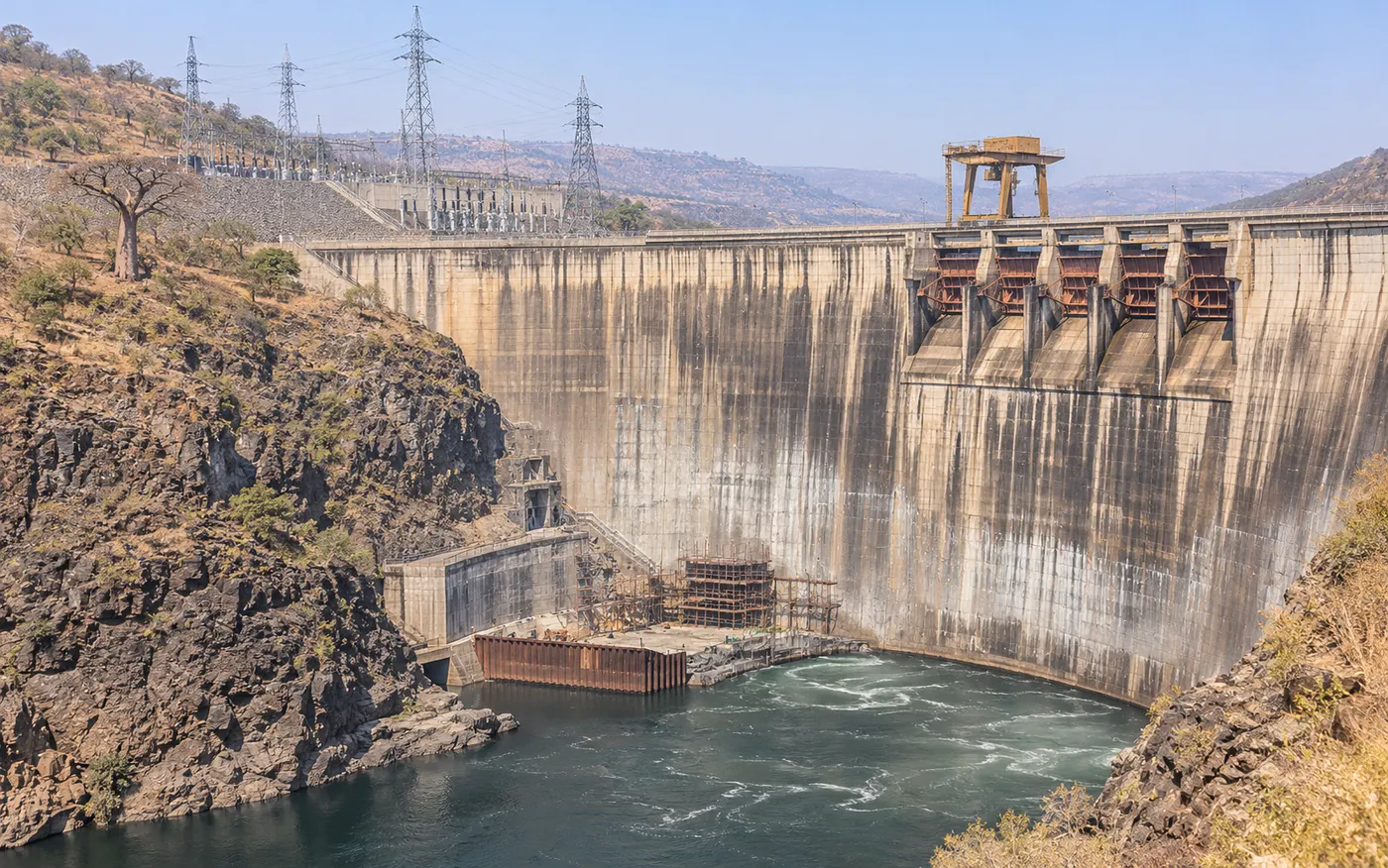
The I-REC Standard Foundation approved Zimbabwe for I-REC(E) issuance in 2023. It named the Green Certificate Company as the local issuer, which is the usual default when no other suitable issuer has come forward. Argus reported that the volume issued in Zimbabwe since then has been below 28 gigawatt-hours, nearly all from hydropower. The 1,050-megawatt Kariba South plant has registered a large block of certificates on a local trading platform called Zim-Rec. At the time of the report, only one other plant had been registered, a small hydropower station commissioned in 2024. No solar plant had been registered. Local buyers have relied in part on certificates from neighbouring South Africa, which has the largest I-REC market on the continent.
The small size of the market has a practical result. A Zimbabwean generator that registers early has little competition. The certificates of a new solar plant are scarce, in a market where exporters and subsidiaries of multinationals are likely to look for them because they must report market-based emissions. Zimbabwe's National Renewable Energy Policy of 2019 proposed renewable purchase obligations, which would make demand compulsory. But they were not in force at the time of writing, so the market is voluntary.
Source: Argus Media
How a generator registers
The process follows the standard's rules.
- The plant owner first chooses an issuer. For Zimbabwe, this is the Green Certificate Company unless another has been approved.
- Each production device, meaning each generating unit or plant, is registered in the system with its technical details. These are capacity, technology, location, commissioning date and the metering arrangement. Commissioning means testing a new plant to prove it works as designed before it is handed over.
- A third-party auditor visits the plant or reviews the documents. The auditor confirms that the information is correct. Registration is not complete without this.
- After registration, the generator reports its metered output for each period. The issuer then issues certificates for the checked output.
Enrolment on the registry is free, but issuers may charge for registering devices and for issuing certificates.
The quality of the metering decides whether the process runs smoothly. The standard requires the output to be measured at a point, and with an accuracy, that the issuer accepts. For a plant that exports to the grid, the utility's settlement meter is usually the reference. A plant that supplies a private customer under a wheeling or own-consumption arrangement needs a clear record of the energy delivered. Wheeling means using the utility grid to carry power from where it is made to where it is used. Our guides on own-consumption solar and on developing a solar IPP explain the metering and licensing that come before certification.
Avoiding double counting and the subsidy question
Three practical rules protect the honesty of the claim.
First, a generator that sells its output under a contract that passes the green attributes to the buyer cannot also sell certificates for the same megawatt-hours. The power purchase agreement should say who owns the attributes. A power purchase agreement is a long contract in which a buyer agrees to buy the electricity a plant produces at an agreed price.
Second, check for overlap where electricity benefits from a scheme that already gives the attribute to someone else. Examples are a subsidised tariff, which is the price list of rates and charges for electricity, or a carbon credit project that counts the same reduction. A carbon credit is a certificate for one tonne of carbon dioxide avoided or removed, which can be sold to someone who wants to offset their emissions.
Third, a buyer should retire certificates for the same period and the same market as its consumption. It should also keep the retirement statement as proof.
Should a generator or a buyer bother?
For a generator, the case is simple if the registration cost is small compared with the income you expect. The certificates are an extra, if modest, source of income and a mark of quality. The case gets stronger when the plant supplies a customer that wants renewable claims. For a buyer, the decision depends on who you must answer to. A company whose customers ask for reported market-based emissions will need to show certificates or direct supply. A company that only needs to cut its costs will do better to build its own solar plant. That reduces both the location-based and the market-based figures.
How AVEX GRID helps
- Registration support. We prepare the technical documents, the metering description and the audit file for registering a plant.
- Procurement strategy. We compare certificates, a direct power purchase agreement and an own plant on cost and on the claim each supports.
- Contract review. We check the technical and metering schedules of a power purchase agreement for ownership of the environmental attributes.
What AVEX GRID can take off your hands
AVEX GRID is an engineer-led energy consultancy in Zimbabwe. We do the technical work that turns an energy investment into a plant that is licensed, connected, financed and performing, whether you are a local operator or an investor overseas.
We quote fixed prices after a free scoping call and reply the same working day.
Frequently asked questions
What does one I-REC represent?
One megawatt-hour of renewable electricity generated by a registered plant, issued once and retired when a buyer makes a claim.
Does buying a certificate reduce our location-based emissions?
No. It affects the market-based Scope 2 figure only. The location-based figure reflects the physical grid and does not change.
Can a solar plant in Zimbabwe issue certificates?
Yes, subject to registration with the issuer, a third-party audit and metering that the issuer accepts. At the time of the latest reporting, no solar plant was registered.
Who owns the certificates when a plant sells power under a contract?
It depends on the contract. The power purchase agreement should state who owns the environmental attributes so that they are not sold twice.
Sources and notes
General information to help you plan. The rules that apply to your site are confirmed by AVEX GRID against the current gazetted text, ZERA and ZETDC as part of the work. The sources used are listed below.